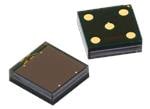
AFBR-S4N44P014M

Broadcom / Avago
630-AFBR-S4N44P014M
AFBR-S4N44P014M

製造商:

說明:
光二極管 Silicon Photomultiplier - 光二極管 single SiPM PCB 4x4mm2 40um NUV-MT

ECAD模型:
下載免費的庫載入器,為ECAD工具轉換此文件。瞭解更多關於 ECAD 型號的資訊。

庫存量: 448

庫存:
448
可立即送貨
在途量:
800
預期2026/4/6
工廠前置作業時間:
15
工廠預計生產時間數量大於所顯示的數量。
最少: 1   多個: 1
單價:
NT$-.--
總價:
NT$-.--
估計關稅:

Pricing (TWD)

數量 單價
總價
NT$999.60 NT$999.60
NT$806.82 NT$8,068.20
NT$652.46 NT$65,246.00
NT$650.76 NT$260,304.00
5,200 報價

商品屬性 屬性值 選擇屬性
Broadcom Limited
產品類型: 光二極管
RoHS:  
Photodiode Arrays
SMD/SMT
420 nm
3.3 uA
32.5 V
55 ns
- 20 C
+ 60 C
AFBR
品牌: Broadcom / Avago
濕度敏感: Yes
產品類型: Photodiodes
原廠包裝數量: 400
子類別: Optical Detectors & Sensors
找到產品:
若要顯示類似商品,請選取至少一個核選方塊
至少選中以上一個核取方塊以顯示在此類別中類似的產品。
所選屬性: 0

CNHTS:
8541490000
CAHTS:
8541490010
USHTS:
8541491050
JPHTS:
854149000
TARIC:
8541490000
BRHTS:
85414900
ECCN:
EAR99

AFBR-S4N44P014M NUV-MT Silicon Photomultiplier

Broadcom AFBR-S4N44P014M NUV-MT Silicon Photomultiplier is a single-channel SiPM optimized for ultra-sensitive precision measurements of single photons. The AFBR-S4N44P014M utilizes NUV-MT technology, which combines improved photo-detection efficiency (PDE) with a decreased dark count rate and crosstalk compared to the NUV-HD technology. Multiple AFBRS4N44P014M SiPMs can be tiled to cover a large area.

Silicon Photomultipliers (SiPM)

Broadcom Silicon Photomultipliers (SiPM) detect light, even down to the single photon level. These Broadcom Silicon arrays of avalanche photodiodes are operated in Geiger mode and are connected in parallel to form a SiPM. Several hundred to thousands of SPADs can be combined depending on the light source and application. Each SPAD includes an integrated series resistor that quenches the avalanche and resets the diode for the next incoming photon. With a signal output of an electrical current proportional to the number of photons hitting the sensor, the SiPM boasts a very high gain and fast response time. The SiPM is ideal for fields requiring weak light detection and precise timing information like scintillator-based detectors and time-of-flight systems.